
Doi Luang Chiang Dao: A Journey to the Sky
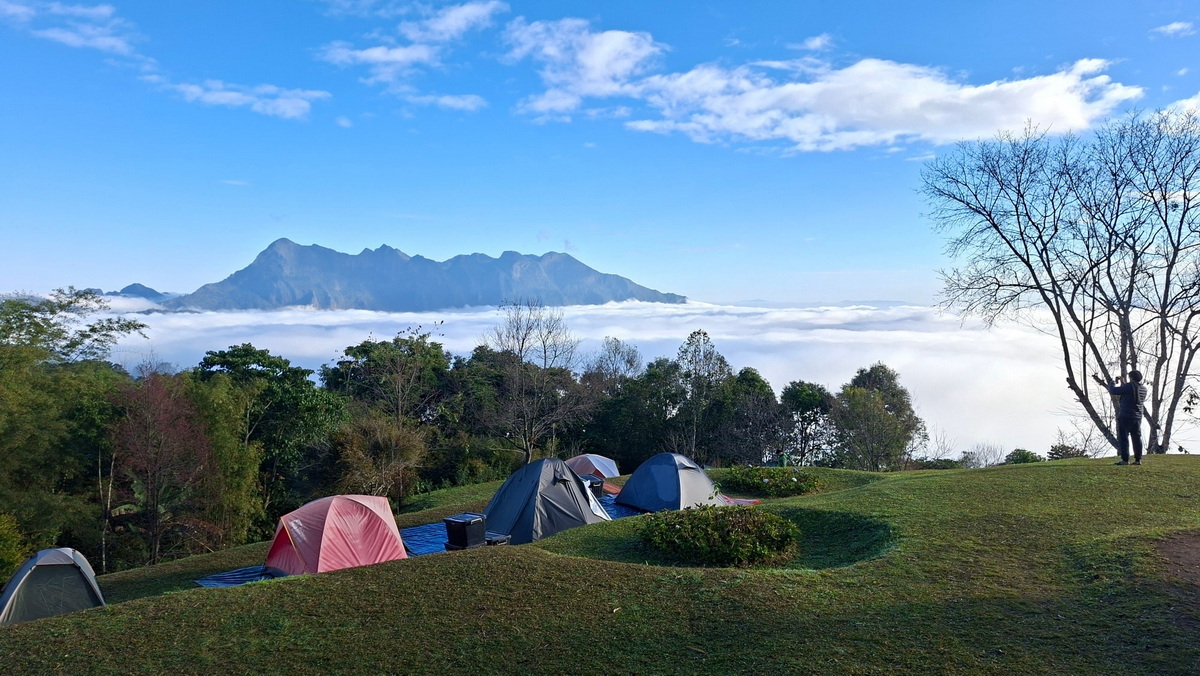
Discover the secrets of Doi Luang Chiang Dao. Essential guide for trekking, flora, and wildlife.
🗺️ The Geological Significance of the Massif
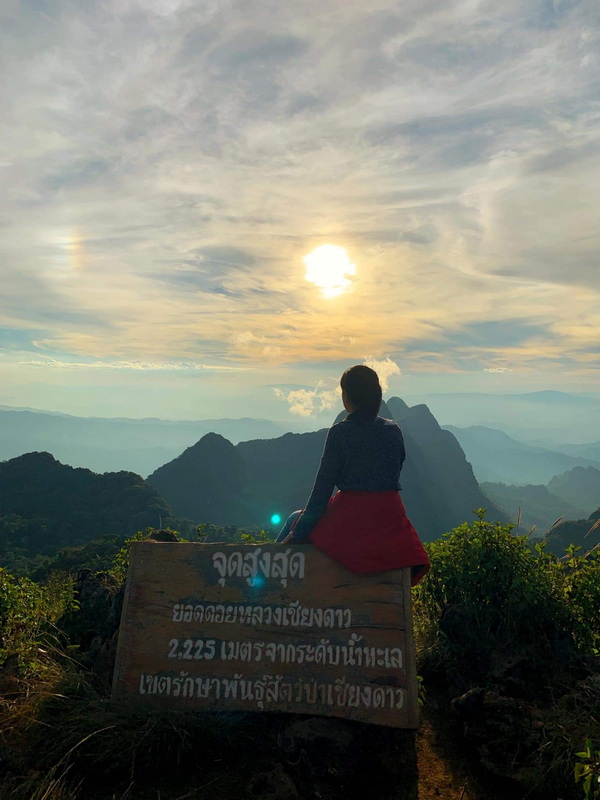
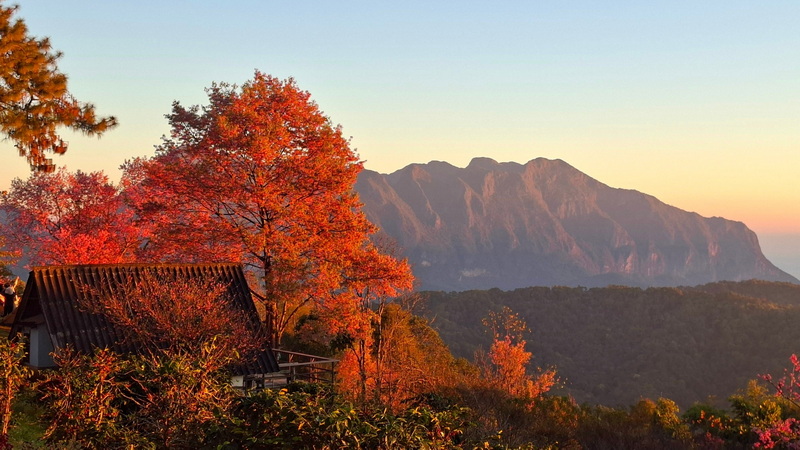
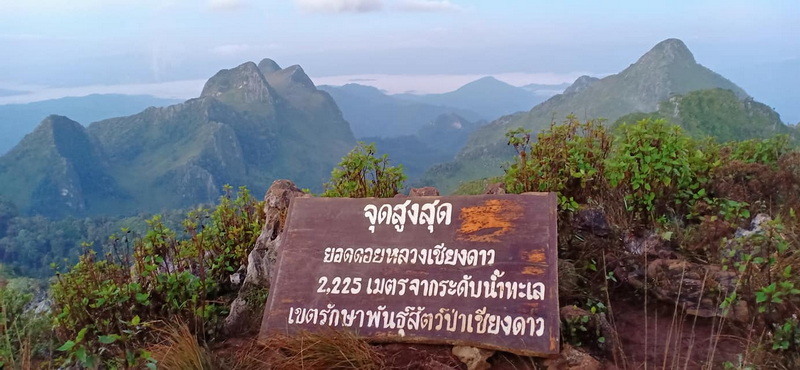
Standing as a testament to millions of years of tectonic evolution, Doi Luang Chiang Dao is a dominant feature of the Thai highlands. This limestone giant, reaching an elevation of 2,225 meters, is a “Karst” formation that originated from ancient seabed deposits. For those embarking on a Chiang Dao Trek, the terrain provides a unique look at how acidic rainwater has carved sharp ridges and deep sinkholes over eons. Unlike the granite peaks found elsewhere in the region, Doi Luang Chiang Dao possesses a jagged, dramatic profile that supports a specialized ecosystem, making it a critical site for geological and botanical research in Southeast Asia.
⛩️ A Cultural Pillar of the Lanna People
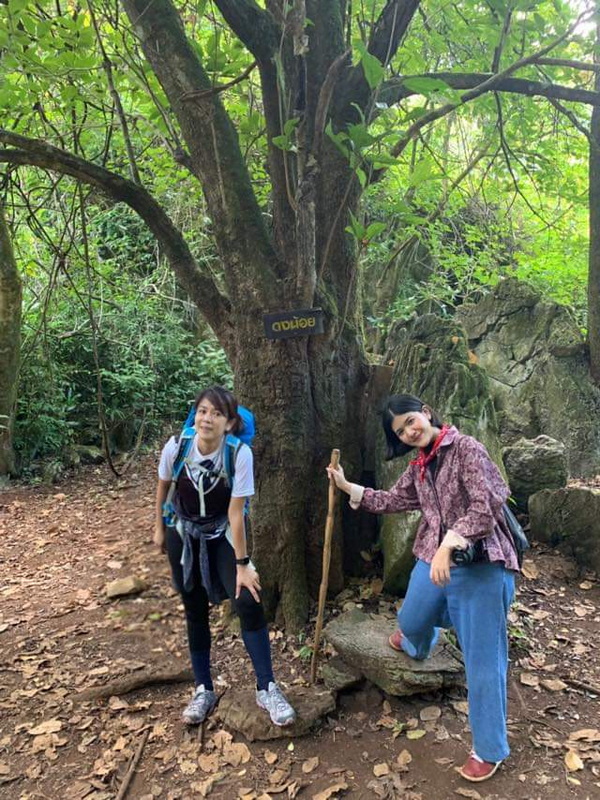
The cultural importance of Doi Luang Chiang Dao cannot be overstated, as it is deeply embedded in the spiritual fabric of Northern Thailand. Known as the home of the spirit Chao Luang Kham Daeng, the mountain is viewed as a protector of the surrounding valleys. During a Chiang Mai Private Tour, many visitors learn that the mountain is not just a physical challenge but a pilgrimage site. The local communities maintain a respectful relationship with the peak, ensuring that human intervention is kept to a minimum. This reverence has historically helped preserve the Chiang Dao wildlife sanctuary, protecting it from over-development and maintaining its status as a sacred wilderness.
🌿 Biodiversity and the Sub-Alpine Zone
The ecological profile of Doi Luang Chiang Dao is defined by its “sub-alpine” vegetation, which is unique within the tropical context of Thailand. Because the summit is so high and the soil so thin, plants have evolved to be hardy and compact. The Doi Luang Chiang Dao forest park area is a haven for endemic species such as the Parrot Flower and the Chiang Dao White Rose. These species attract botanists from around the globe who come to study the rare adaptations required to survive on limestone cliffs. Protecting this delicate balance is why the area was designated a UNESCO Biosphere Reserve, ensuring these ancient lineages continue to thrive.
🦋 Rare Wildlife of the Limestone Crags
Within the boundaries of the Chiang Dao Wildlife Sanctuary, fauna that have vanished elsewhere continue to survive. The most famous resident of Doi Luang Chiang Dao is the Long-tailed Goral, a goat-antelope that is perfectly adapted to the vertical world of the mountain. Seeing one of these “Angel Horses” perched on a cliff edge at dawn is a highlight of any trek. Additionally, the mountain is home to rare avian species and the spectacular Bhutan Glory butterfly. For those interested in Chiang Mai Jungle trekking, this location offers a rare opportunity to see specialized wildlife that depends entirely on this high-altitude limestone habitat for survival.
🧗 Navigating the Trekking Routes
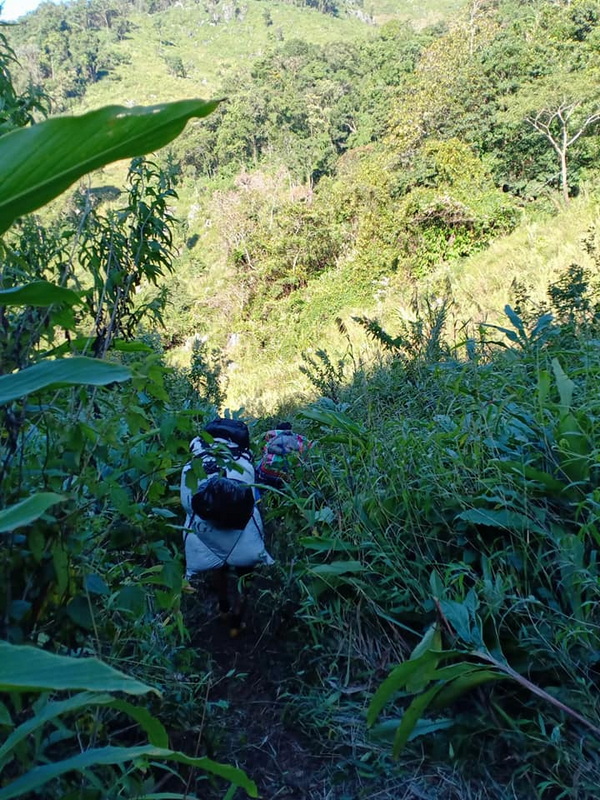
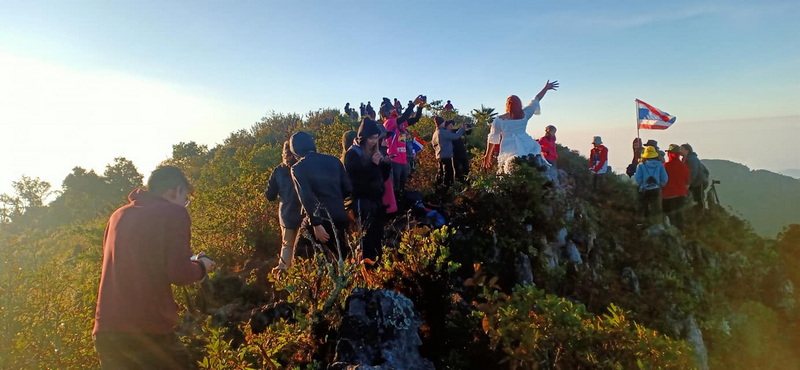
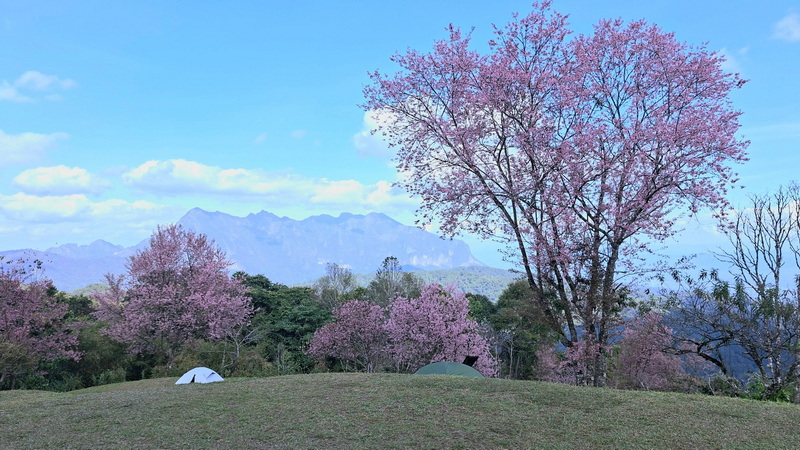
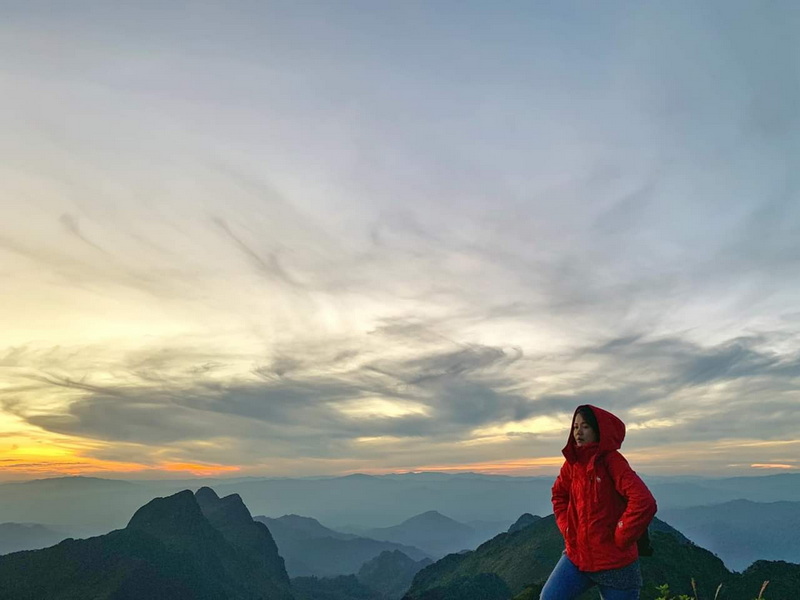
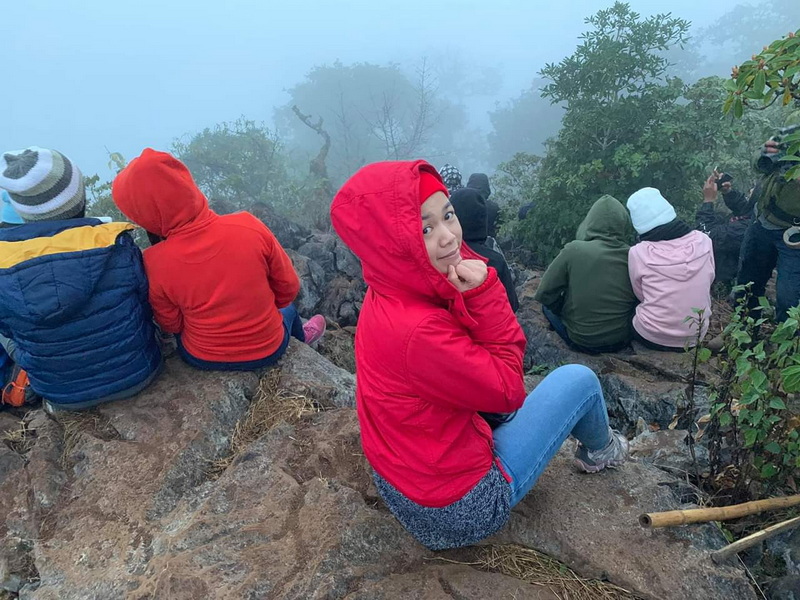
Choosing the right path is essential for a successful ascent of Doi Luang Chiang Dao. The two primary routes are Den Ya Khat, which is longer but offers a more gradual incline, and Pang Wua, which is notoriously steep and challenging. Most organized Chiang Mai Trekking groups combine the two to maximize the scenery. Both trails lead to Ang Salung, the designated camping area located in a natural hollow just below the summit. From here, it is a short but steep hike to either the sunset peak or the sunrise point at Kiu Lom, both of which offer breathtaking views of the surrounding Himalayan foothills.
💻 Understanding the Booking and Regulations
Securing a permit for Doi Luang Chiang Dao is a rigorous process designed to limit human impact. The sanctuary is only open during the dry season, typically from November to mid-February. Prospective hikers must use the official online portal to book their slots, often months in advance. A key part of the modern Doi Luang Chiang Dao Trek is the mandatory eco-training and the strict “Zero Waste” policy. Travelers are required to bring all trash back down and use portable sanitation systems, reflecting a global standard for high-altitude conservation that keeps the mountain pristine for future generations.
🚗 Logistics and Access Information
To reach the Doi Chiang Dao forest park, travelers must first arrive in the town of Chiang Dao, located north of Chiang Mai city. The journey is straightforward via public bus or private vehicle along Route 107. Once at the sanctuary entrance, hikers must check in and transfer to 4WD vehicles provided by local operators, as the mountain roads are impassable for standard cars. Whether you are coming for a day of birdwatching at the base or a full multi-day summit attempt, the logistical coordination ensures that the flow of visitors is managed sustainably, protecting the very environment that people come to admire.
Nearby Attractions
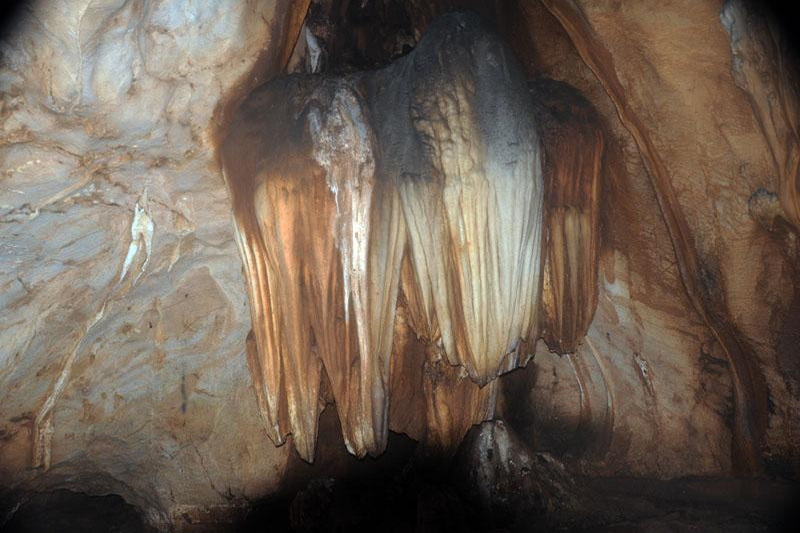
A historic site featuring five main caverns filled with limestone formations and Buddhist shrines. It is an essential stop for those wanting to understand the subterranean geography of the region.
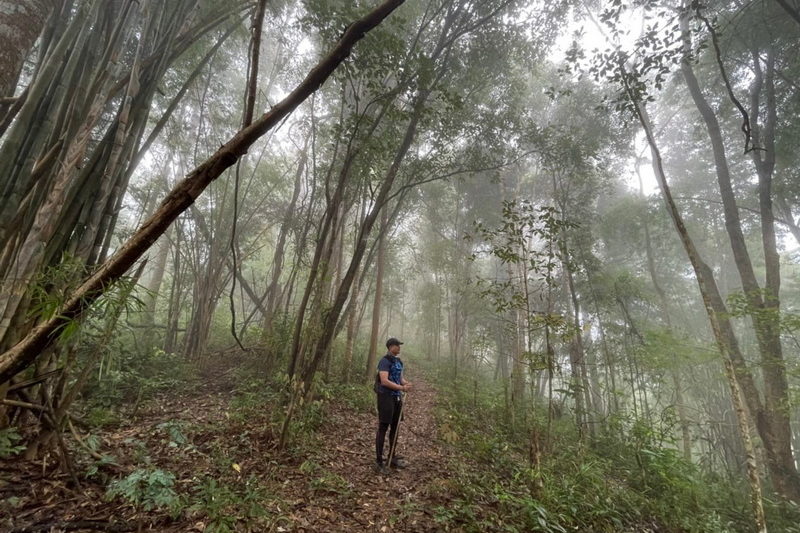
This trail offers a community-led experience through the foothills. It is famous for its views of the “back” of the mountain and its proximity to refreshing natural springs and local Lahu villages.