
Khun Chang Khian Village
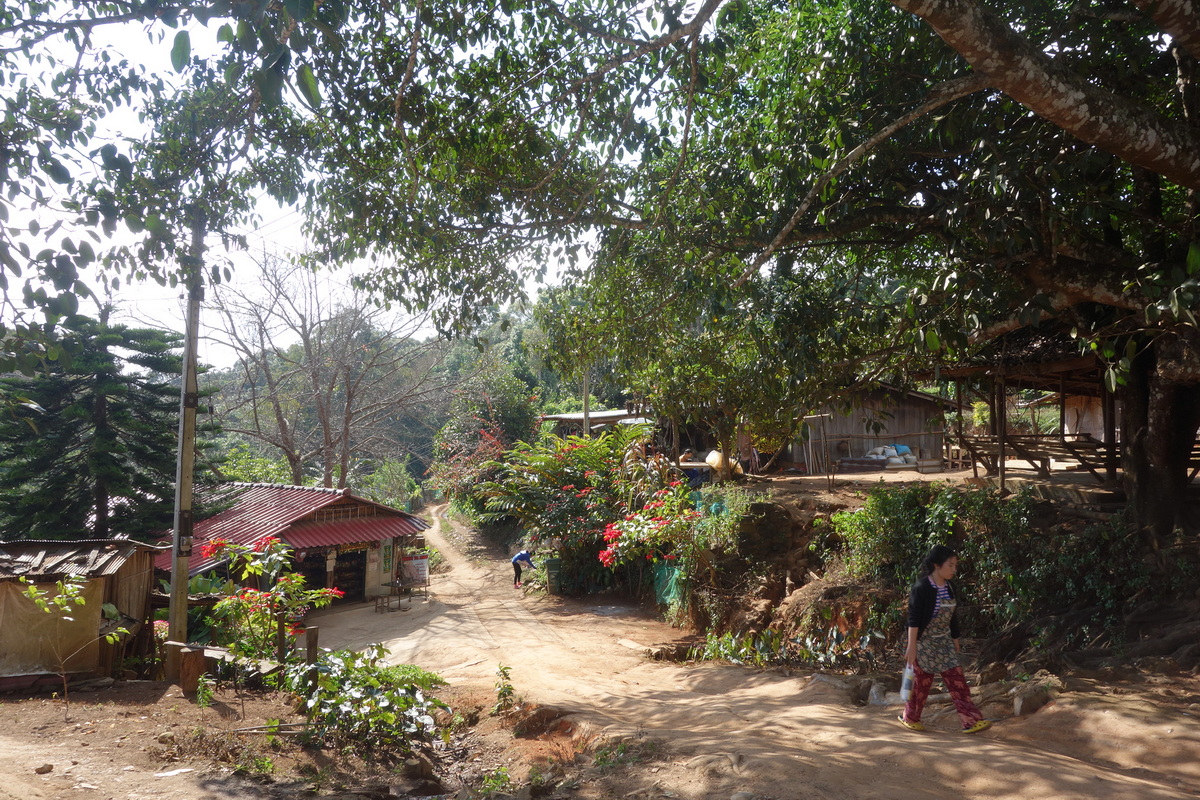
Khun Chang Khian Village as a Mountain Classroom
Turn the Drive into a Discovery Game
A family mountain day often begins with one difficult question: how do you keep children interested after the city disappears behind the curves? At Khun Chang Khian Village, the answer is to make the journey part of the experience. Ask everyone to watch for changes in air, forest, crops, houses, and color as the road climbs. The destination becomes more than a blossom stop; it becomes an outdoor lesson in how people adapt to a highland environment close to Chiang Mai.
The Mountain Is the First Classroom
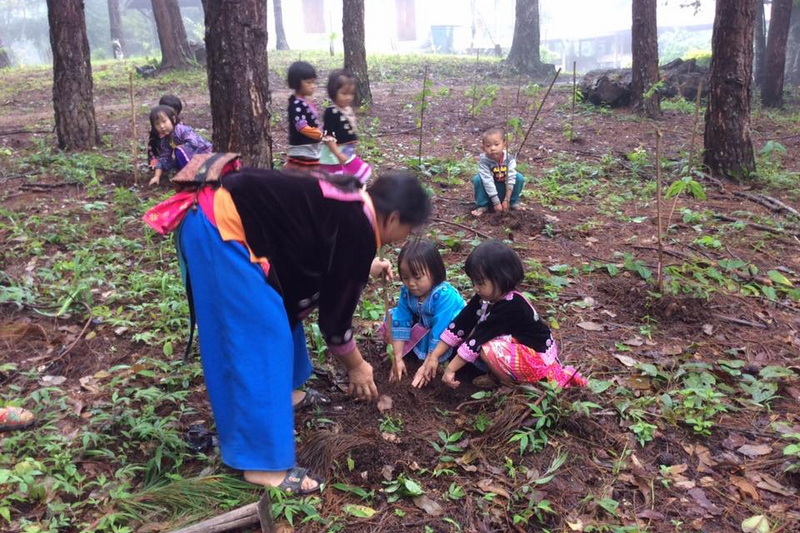
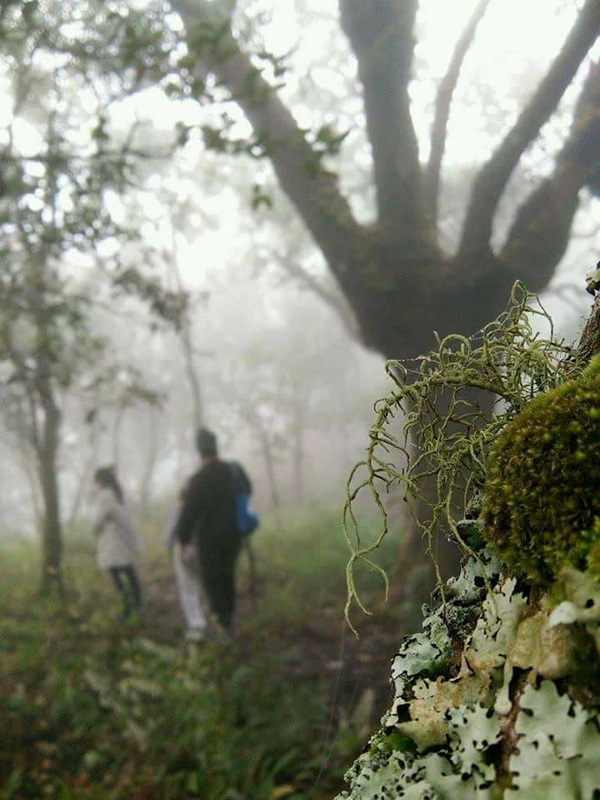
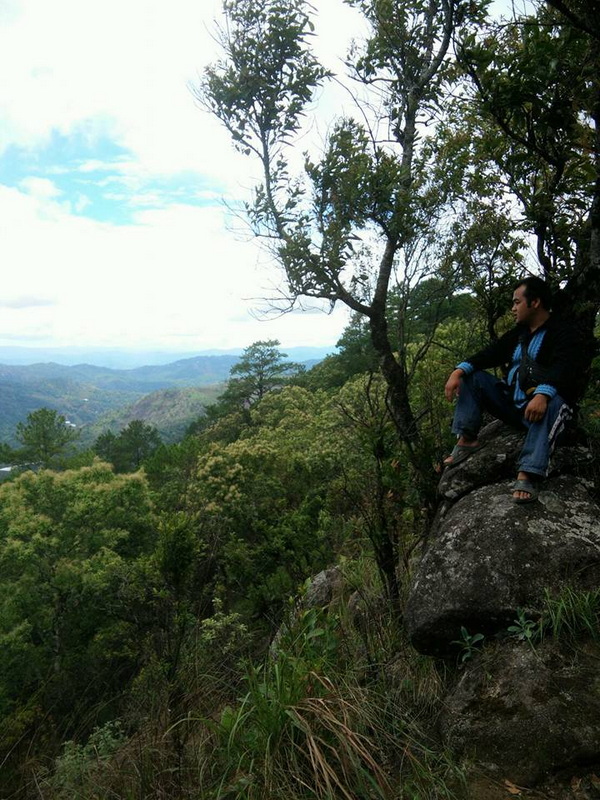
The village lies within the broader landscape of Suthep – Pui National Park, where forested mountains, water sources, religious places, and communities occupy the same protected setting. Families can turn that geography into a simple comparison exercise: what feels different from central Chiang Mai, which plants appear more common, and why might farming methods change on a cooler slope? These questions encourage children to observe before adults begin explaining. The mountain itself provides the first clues.
Meet a Community, Not a Display
CMU’s Doi Suthep Nature Center records that Hmong families moved from nearby Doi Pui and gradually formed the community in the 1960s, initially gathering households that had been farming around the area. That history helps parents explain why the label Hmong Hilltribe is too broad when used without context. This is a living White Hmong neighborhood shaped by family ties, ceremonies, agriculture, and changing livelihoods. Children should understand that residents are people going about daily life, not performers waiting for visitors.
Read the Farms Like a Timeline
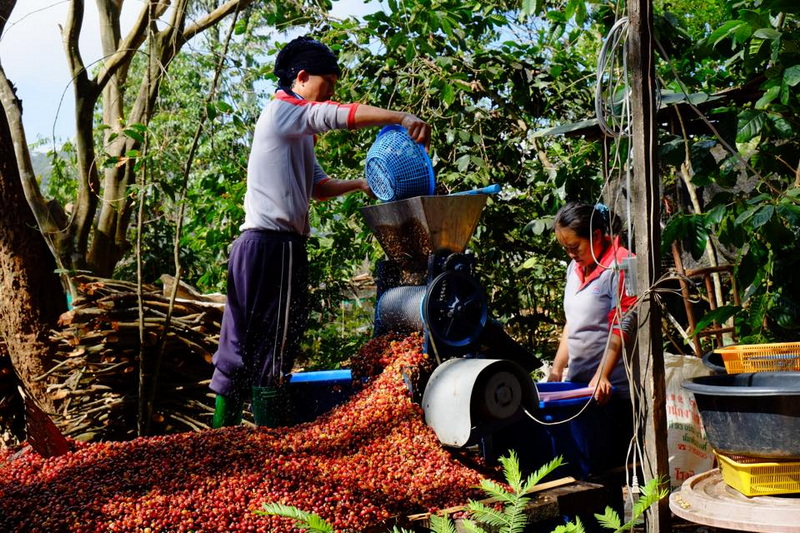
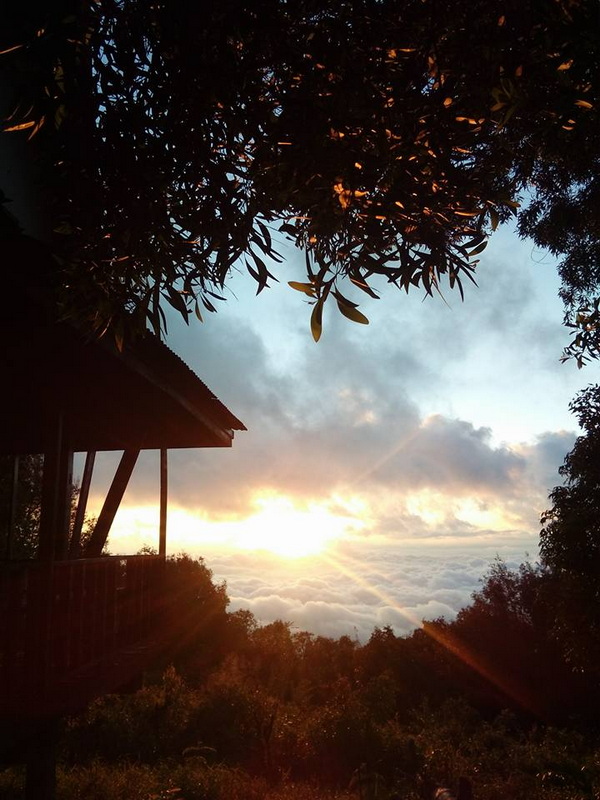
The cultivated landscape tells a second story. The same CMU account describes earlier reliance on opium as a cash crop, followed by research and changes that encouraged coffee, lychee, strawberries, vegetables, and other highland plants. Rather than turning this into a lecture, ask children to find signs of perennial trees, smaller crops, and produce for sale. A locally prepared coffee for adults or fruit when available can open a conversation about how research, markets, climate, and household decisions influence what farmers grow.
Blossom Season as a Science Lesson
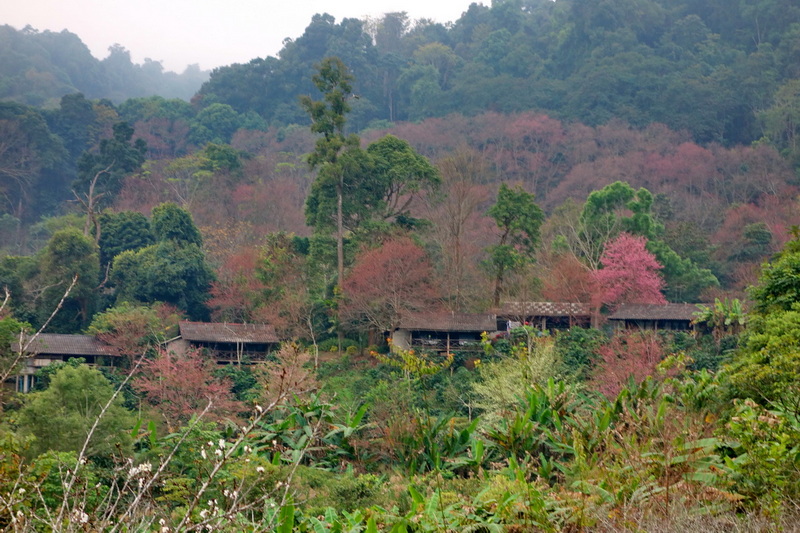
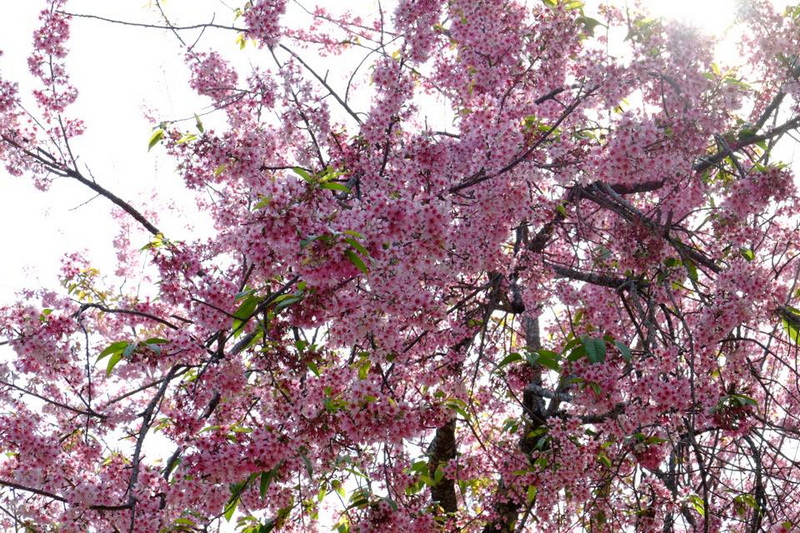
Families planning a Doi Suthep cherry blossom outing should treat flowering as a natural event, not an appointment. The Tourism Authority of Thailand identifies the highland research station as a notable place for nang phaya suea khrong, also known as Himalayan cherry or Thai sakura, but conditions change from year to year. Invite children to compare buds, open flowers, fallen petals, and new leaves. Even partial bloom can illustrate plant cycles, weather sensitivity, and why responsible travel requires realistic expectations.
Try a Five-Clue Mountain Challenge
Give each child five things to find without collecting or touching: one sign of agriculture, one shape made by the road, one sound from the forest, one local product, and one respectful question about village life. Older children can keep notes or create a short photo sequence; younger children can describe colors and textures. This simple activity makes the visit participatory while keeping attention on relationships between land, livelihood, and season rather than on buying souvenirs or posing for a single picture.
Teach Courtesy Through Practice
Among Village Attractions in Chiang Mai, this one offers a useful chance to practice cultural respect in real time. Ask permission before photographing recognizable people, especially children. Stay on public routes, keep away from private plots and doorways, and do not pick flowers or climb trees. Parents can model good behavior by greeting people politely, accepting a declined photograph, and buying local products only when genuinely interested. A family leaves a better impression when curiosity is matched by restraint.
Choose Depth Over Too Many Stops
Parents comparing Best Hill Tribe Tours Chiang Mai may be tempted by itineraries that promise several villages in one day. A better family experience often comes from fewer stops and more conversation. Leave room for a slow walk, a drink, questions, and an unhurried departure. Because the outing continues higher into the mountain landscape, choose transport suited to the route and confirm current access conditions before setting out. Bring water, light layers, sun protection, and simple snacks, especially for children who tire during longer drives
Nearby Learning Stops

Doi Suthep Temple and the Language of Symbols
Wat Phra That Doi Suthep adds religion, architecture, and local identity to the day. Its golden chedi, naga-lined staircase, and Lanna details give families concrete features to discuss after the agricultural landscape above. Ask children to identify shapes, materials, and respectful behavior in a sacred space. This pairing works because it shows two different ways the mountain matters to Chiang Mai: as a place of community livelihood and as a place of Buddhist devotion.

Chiang Mai Zoo for a Nature Comparison
Chiang Mai Zoo can extend the outing for families whose children still have energy after the descent. Official tourism information notes animal exhibits and an aquarium, creating a contrast between observing a working mountain landscape and learning through managed wildlife displays. Before adding it, check current hours, tickets, and exhibit availability directly. Encourage children to compare habitats and visitor rules, while keeping animal welfare and staff instructions more important than photographs or rushing between enclosures.
Let Children Retell the Day
The best family takeaway is not a perfect blossom photograph but a story children can explain in their own words. On the drive back, ask each person to name one thing learned about White Hmong history, one clue from the farms, and one action that showed respect. Families comparing mountain communities around Chiang Mai will find that value is not measured by spectacle alone. A mountain community becomes memorable when young travelers understand how culture, livelihood, environment, and courtesy fit together.
Book your Khun Chang Khian mountain journey for White Hmong stories, local coffee, forest scenery, and seasonal pink blossoms.